Why Industry Needs Help to Decarbonize
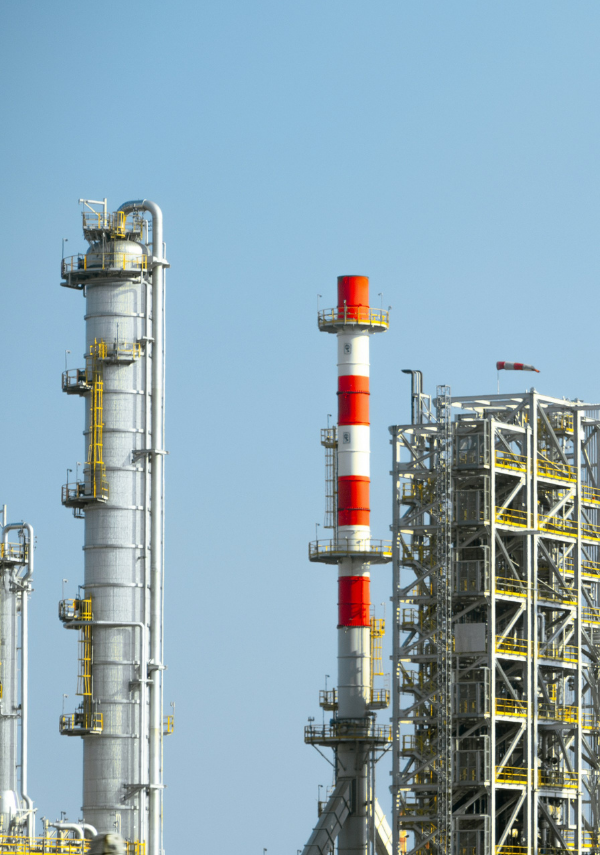
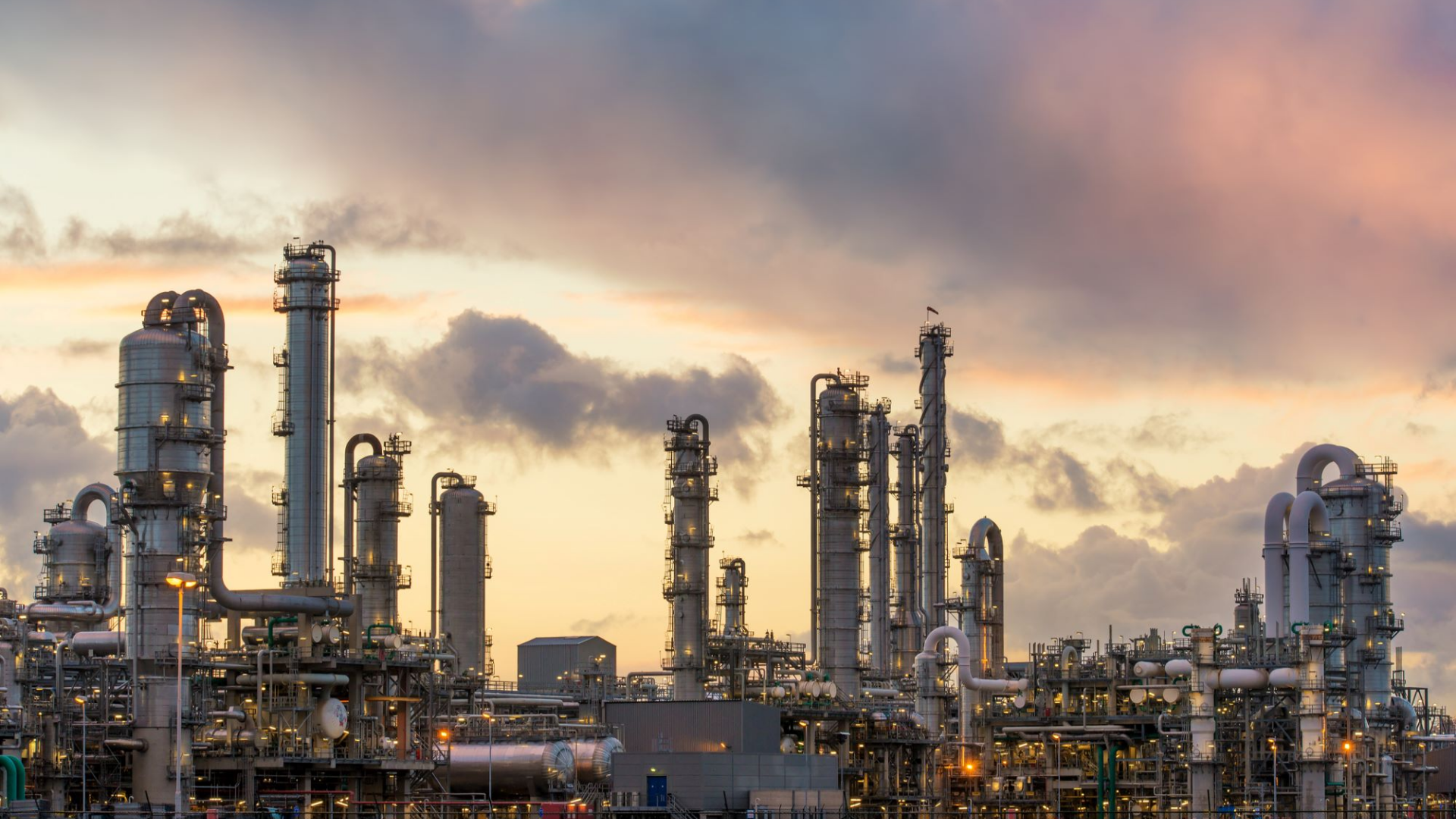
Hard-to-abate industries such as cement, steel, and chemicals face structural barriers to decarbonization because their processes rely on high heat and fossil-based feedstocks. Most emissions come from core production steps, leaving limited low-cost alternatives. Renewables, efficiency improvements, and fuel switching have accelerated progress in the power sector and lighter industries, but these measures cannot eliminate the process-related emissions that dominate heavy industry.
This is where solutions like carbon capture and hydrogen become critical. They target the emissions that conventional approaches cannot reduce, offering a more transformative pathway. Yet these technologies remain costly and complex—carbon capture facilities can require upfront investments of $500 million to over $1 billion per plant, while green hydrogen production costs remain 2-3 times higher than conventional fossil-based alternatives. These financial challenges mean that clearer policies, incentives, and market signals are needed to support wider deployment.
How Governments Are Creating Incentives
Fiscal and Financial Tools
One of the most direct ways to support low-carbon technology is through financial incentives. The United States’ Inflation Reduction Act provides tax credits of $85 per metric ton for captured CO₂, Germany’s €4 billion Carbon Contracts for Difference offer 15-year price guarantees for climate-neutral production, and the Netherlands’ SDE++ scheme allocated over $7.3 billion to shared carbon capture infrastructure. These examples demonstrate that substantial tax incentives, long-term contracts bridging carbon prices and abatement costs, and strategic subsidies for shared infrastructure can mobilize private capital and de-risk early investments. They help create a more supportive investment environment, giving companies greater confidence to move forward even in sectors where costs remain high and technologies are still emerging.
Market-Based Incentives
Another powerful approach is to use market mechanisms that make emissions carry a price, and therefore make low-carbon solutions more competitive. Carbon pricing, emissions trading systems, and cross-border carbon adjustments all push industries to modernize.
Some countries have also introduced carbon contracts for difference, which guarantee a stable price for avoided emissions. This gives industries certainty about future returns, helping large projects in steel or cement move forward even when market carbon prices fluctuate.
Regulations and Demand Creation
Financial and market measures work best when paired with regulations that build demand for low-carbon products. For example, Carbon Border Adjustment Mechanism (CBAM) ensures imported intensive-goods like steel, cement, aluminium and fertilisers bear carbon costs, giving cleaner domestic or low-carbon products a competitive edge.
Meanwhile, schemes such as Carbon Contracts for Difference (CCfD) de-risk investments: under Germany’s first auction, €4 billion over 15 years supports energy-intensive industries shifting to clean production. Coupling such instruments with regulatory demand-creation, e.g. green public procurement or product-emission standards, creates stable market conditions where low-carbon industrial products can compete and scale.
Key Factors and Barriers for Indonesia
Direct application faces barriers. Indonesia’s facilities are often smaller-scale, making shared infrastructure relatively more expensive per unit. Financing costs are higher, and access to long-term capital remains constrained for medium-sized enterprises. Technical capacity for deploying advanced technologies is limited. Fossil fuel subsidies and low domestic carbon prices reduce immediate economic incentives.
Indonesia has made progress. The Ministry of Industry, with WRI Indonesia and IESR, is advancing a net-zero roadmap by 2060. Perpres 110/2025 establishes the National Carbon Economic Value (NEK), sector-based carbon budgets, and formalizes MRV and carbon trading. However, critical gaps remain. Fiscal incentives are not yet aligned with NEK-based carbon budgeting, creating inconsistent price signals. Enforcement mechanisms for sectoral budgets are developing. Inter-agency coordination needs strengthening. Most importantly, financial mechanisms to bridge cost gaps between conventional and low-carbon technologies are not yet at the scale needed.
What Indonesia Can Take Forward (Drawing from Global Experience)
- Align fiscal signals with NEK implementation: Indonesia can gradually tune tax incentives, subsidies, and carbon-related pricing so they reinforce sectoral budgets under the NEK framework, giving industries clearer long-term investment signals.
- Explore financing tools that ease high upfront costs: Inspired by international models such as long-term contracts or dedicated transition funds, Indonesia could consider mechanisms that help bridge the cost gap for capital-intensive options like CCS and hydrogen.
- Strengthen coordination and create steady demand for low-carbon products: Improving cross-agency alignment on MRV, budgeting, and permitting—alongside measures like green procurement or product standards—can help build more predictable markets for cleaner industrial materials.
Taken together, these approaches offer a practical starting point for shaping a more supportive environment for industrial decarbonization. By adapting global lessons to local context, Indonesia can progress toward a pathway where competitiveness and low-carbon growth reinforce each other.